
Bulk Feeders: What They Are and When to Use Them in Industrial Automation
If you’re exploring ways to improve throughput, reduce manual labor, and stabilize your automation process, there’s a good chance you’ll encounter one of the most foundational technologies in manufacturing: bulk feeders.
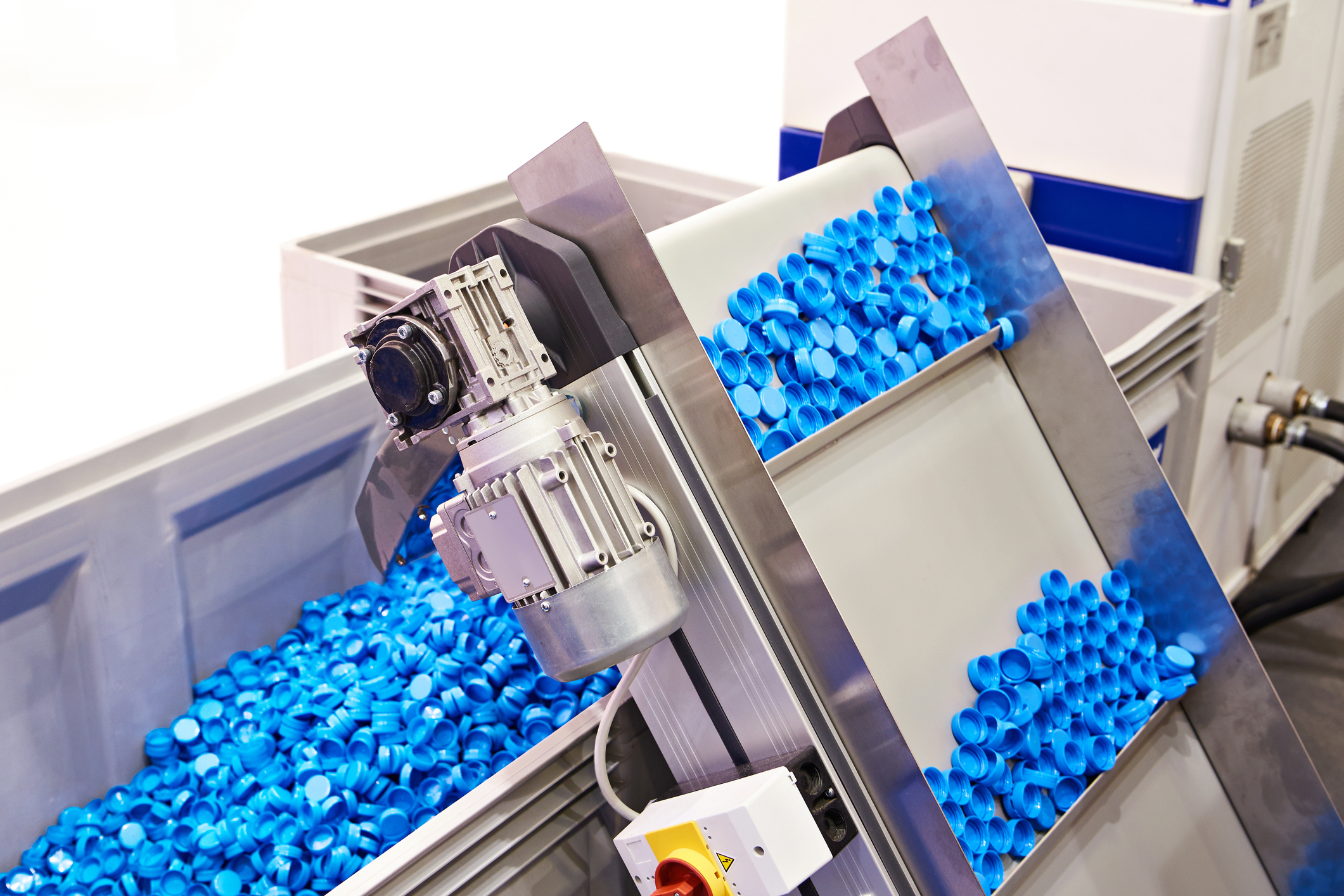
Bulk feeding systems are used across industrial automation to take a large quantity of loose parts—often in a bin, hopper, or tote—and deliver those parts in a steady, controlled flow to the next stage of the process.
Whether the downstream operation is assembly, inspection, packaging, or robotic pick-and-place, bulk feeders help ensure that production equipment is never “starved” for parts.
In this guide, we’ll break down what bulk feeders are, how they work, where they fit best, and how to choose the right solution for your application.
What Are Bulk Feeders?
Bulk feeders are automation systems designed to move and supply parts from a bulk source into a controlled stream.
Unlike orientation-specific systems (like a vibratory bowl feeder), bulk feeders are primarily focused on:
- Consistent supply
- Controlled flow
- Buffering and surge capacity
- Reducing manual loading
Bulk feeding is often the first step in an automated feeding line, followed by orientation equipment such as:
- Vibratory bowl feeders
- Centrifugal feeders
- Flexible feeder systems
- Escapements and tracks
How Bulk Feeders Work
Bulk feeders typically start with a container that holds a large volume of parts, such as:
- A hopper
- A bin
- A tote
- A floor-level bulk container
The system then uses mechanical motion to move parts upward and out of the bulk mass.
Common bulk feeding methods include:
- Vibratory elevation
- Belt elevation
- Cleated belt conveyors
- Rotary systems
- Step feeders (for certain part types)
Once parts are elevated, they are discharged into the next part of the automation cell—often onto a conveyor, into a bowl feeder, or onto a flexible feeding surface.
Why Bulk Feeders Matter in Automation
Many manufacturers focus heavily on robotics, vision systems, or assembly tooling—but bulk feeding is what keeps everything running.
Bulk feeders help prevent common automation problems such as:
- Production stoppages due to empty feed lines
- Inconsistent part supply
- Operators constantly refilling smaller feeders
- Unstable cycle times
When a bulk feeder is properly sized and integrated, it creates a stable supply of parts and reduces labor requirements.
Key Benefits of Bulk Feeders
1) Higher Throughput and Less Downtime
Bulk feeders reduce the frequency of manual refilling. That means fewer interruptions and a more consistent flow of parts into the automation process.
2) Reduced Operator Labor
Instead of operators continuously loading parts by hand, bulk feeding allows operators to load a larger quantity less frequently.
3) Improved Line Stability
A steady supply of parts reduces variability in cycle time and improves overall equipment effectiveness (OEE).
4) Better Scalability
As production volume increases, bulk feeders can often be upgraded or resized without redesigning the entire automation system.
Common Applications for Bulk Feeders
Bulk feeders are used in a wide range of industries and applications, including:
- Automotive component assembly
- Electronics manufacturing
- Medical device production
- Consumer products
- Packaging and closures
- Industrial hardware and fasteners
Bulk feeding is especially useful when parts are:
- Small to medium sized
- Produced in high volume
- Delivered in large quantities from upstream processes
- Needed continuously in downstream automation
Bulk Feeders vs Bowl Feeders: What’s the Difference?
This is a common point of confusion.
A bulk feeder focuses on supplying parts in volume and maintaining a steady flow.
A vibratory bowl feeder focuses on orienting parts into a precise position for assembly or processing.
In many systems, bulk feeders and bowl feeders work together:
- Bulk feeder supplies parts continuously.
- Bowl feeder or flexible feeder orients and presents parts.
- The automation system processes the part.
Bulk Feeders vs Flexible Feeders
Bulk feeding and flexible feeding are not direct substitutes—they solve different problems.
A flexible feeder system is designed to:
- Spread parts across a surface
- Use vision to identify pickable parts
- Feed a robot
Bulk feeders are designed to:
- Keep parts supplied continuously
- Reduce operator loading
- Provide buffer capacity
Many robotic cells use both: a bulk feeder supplying a flexible feeder, which supplies a robot.
How to Choose the Right Bulk Feeder
The best bulk feeding solution depends on:
Part Characteristics
- Size and weight
- Shape (and whether parts tangle or nest)
- Material type (plastic, metal, rubber)
- Surface finish (oily parts behave differently)
Production Requirements
- Required feed rate
- Run time between refills
- Floor space and height limitations
- Noise and environmental constraints
Integration Requirements
- Discharge height
- Sensors and controls
- PLC communication
- Compatibility with bowl feeders or flexible feeders
The key is to design the bulk feeder as part of the entire feeding system—not as an isolated component.
Frequently Asked Questions
What is a bulk feeder used for?
A bulk feeder is used to supply parts from a large mass of components into a controlled stream for automated assembly, inspection, packaging, or robotic feeding systems.
Do bulk feeders orient parts?
Usually no. Bulk feeders supply parts in volume. Orientation typically happens in a bowl feeder, centrifugal feeder, or flexible feeder system.
Can bulk feeders work with robots?
Yes. Bulk feeders are commonly used upstream of flexible feeders or conveyors that supply vision-guided robotic pick-and-place systems.
Final Thoughts: Bulk Feeders Keep Automation Moving
Bulk feeders are one of the most important—but often overlooked—components of industrial automation.
If your production system depends on steady part supply, a properly designed bulk feeder can:
- Reduce downtime
- Increase throughput
- Lower labor costs
- Improve overall line stability
If you’re evaluating part feeding solutions for your automation system, Feedall can help you design the right feeding strategy—from bulk supply to final part presentation.
Contact Feedall today to discuss your application and automation goals.