
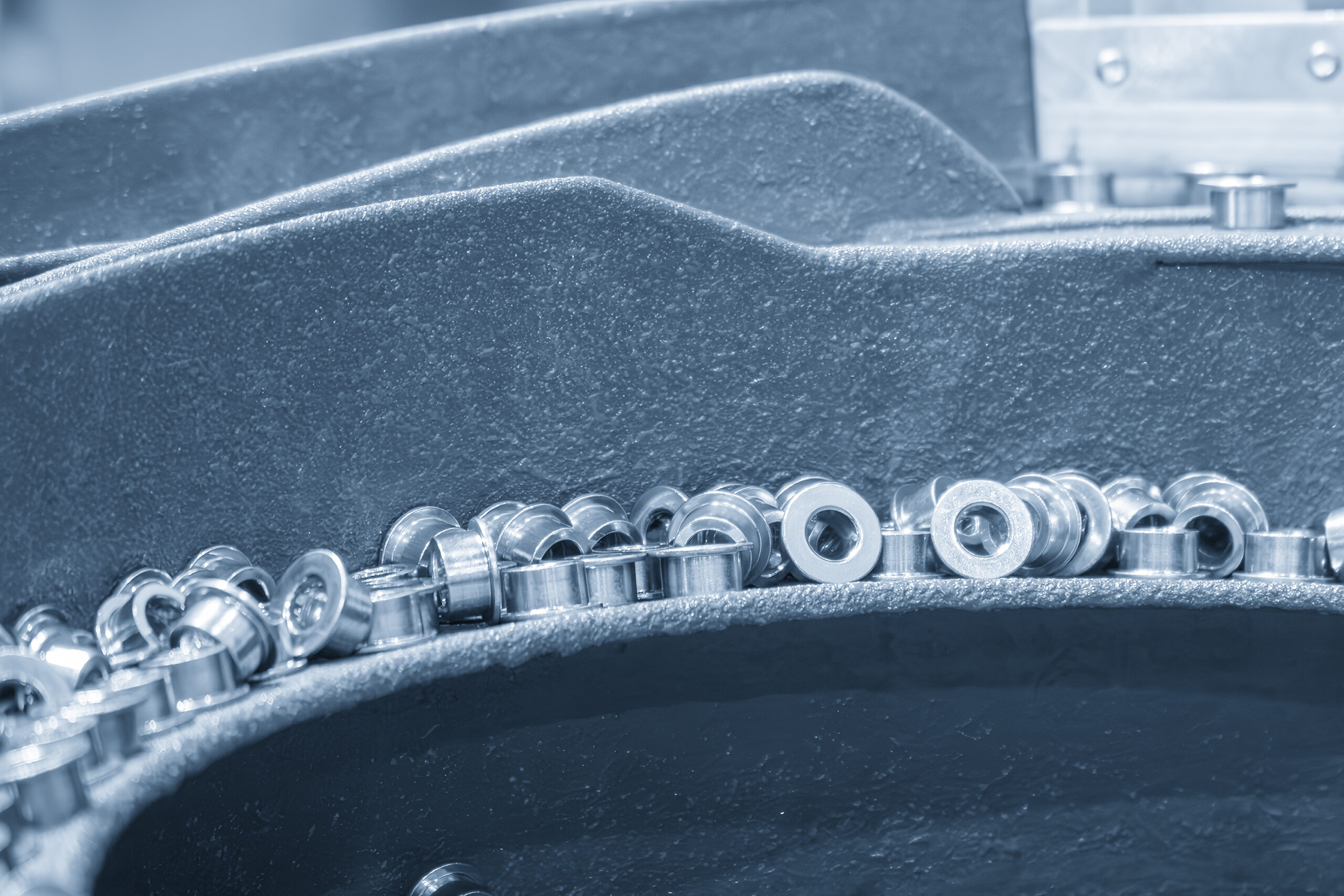
Part Feeders: The Complete Guide to Industrial Part Feeding Systems for Automation
In today’s competitive manufacturing environment, efficiency is everything. Robotic systems, high-speed assembly lines, and automated inspection cells all depend on one critical component: part feeders.
Without reliable part feeding systems, even the most advanced automation equipment cannot operate at peak performance. Inconsistent part orientation, manual handling, and misfeeds can create costly bottlenecks that reduce throughput and increase downtime.
Modern industrial part feeders solve these challenges by separating, orienting, and delivering parts with precision and consistency — making them the backbone of automated production systems.
What Are Part Feeders?
Part feeders are automated devices that move bulk components into a controlled, repeatable position so they can be processed by downstream equipment such as:
Robotic pick-and-place systems
Assembly machines
Packaging equipment
Inspection stations
CNC or machining centers
The primary goal of a part feeder is simple: ensure that parts arrive at the right place, in the right orientation, at the right time.
Automated part feeders eliminate the variability and inefficiency of manual loading, creating smoother production flow and higher overall system reliability.
Why Part Feeders Are Critical in Industrial Automation
Manufacturers investing in automation expect increased speed, accuracy, and consistency. However, automation performance is limited by how efficiently parts are supplied to the system.
1. Increased Throughput
Reliable part feeders deliver components at consistent cycle rates, reducing idle time for robotic arms or assembly equipment.
2. Reduced Labor Costs
Manual part placement introduces variability and labor dependency. Automated feeding systems reduce repetitive tasks and allow skilled operators to focus on higher-value work.
3. Improved Quality and Precision
Consistent part orientation reduces mispicks, incorrect assemblies, and downstream defects.
4. Seamless Robotic Integration
Modern part feeders are engineered specifically for robotic automation, supporting vision-guided picking and smart manufacturing environments.
In short, effective parts feeding systems directly impact productivity, cost control, and scalability.
Types of Industrial Part Feeders
Choosing the right part feeder depends on part geometry, production volume, flexibility requirements, and integration needs. The most common types include:
Vibratory Bowl Feeders
Vibratory bowl feeders are one of the most widely used industrial part feeders. They use controlled vibration to move parts along a spiral track where custom tooling or orientation features position them correctly.
Best suited for:
High-volume production
Dedicated single-part applications
Small to medium components
Advantages:
High feed rates
Reliable orientation
Proven technology
Consideration:
Traditional bowl feeders typically require custom tooling for each part, making them less flexible for multi-part production environments.
Flexible Part Feeders (Flex Feeders)
Flexible feeders are designed for adaptability. Instead of hard tooling, they use vibration plates combined with vision systems to randomly present parts. A camera identifies pickable parts, and a robot selects them.
These automated part feeders are ideal for:
Multiple part types
Frequent changeovers
Vision-guided robotic cells
Short production runs
Flexible part feeders eliminate the need for custom tracks or tooling, making them an excellent choice for manufacturers seeking scalable, future-proof automation solutions.
As product lines evolve, flexible feeding systems allow manufacturers to adapt without replacing the entire feeding setup.
Centrifugal Feeders
Centrifugal part feeders use spinning discs to orient parts quickly and quietly. They are commonly selected when high speeds are required with lower vibration levels.
Best suited for:
Lightweight parts
Noise-sensitive environments
Faster production speeds
Each feeding technology has its place. The key is aligning the feeding system with your production requirements and automation goals.
How Part Feeders Integrate with Robotic Systems
One of the biggest advancements in industrial automation is the integration of part feeders with robotic and vision systems.
In modern automation cells:
The feeder spreads and separates parts.
A vision system identifies orientation and location.
The robot receives positional data.
The robot picks and places the part for assembly or processing.
This combination of robotic automation and flexible part feeders increases system efficiency while reducing mechanical complexity.
Manufacturers increasingly prefer robotic part feeding solutions because they provide:
Greater flexibility
Faster changeovers
Improved scalability
Lower long-term tooling costs
Key Factors to Consider When Choosing Part Feeders
Selecting the right industrial part feeder requires evaluating multiple variables:
Part Characteristics
Size
Weight
Shape
Surface finish
Fragility
Production Requirements
Required cycle time
Daily output volume
Changeover frequency
Product mix
Integration Needs
Robotic compatibility
Vision system requirements
Available floor space
Noise considerations
For dedicated, high-volume production of a single component, a vibratory bowl feeder may offer the highest efficiency.
For manufacturers handling multiple SKUs or evolving product lines, flexible part feeders often provide greater long-term value.
Applications of Part Feeders Across Industries
Part feeders are used in nearly every automated manufacturing sector, including:
Automotive assembly
Electronics manufacturing
Medical device production
Consumer packaged goods
Aerospace components
Industrial hardware manufacturing
Any operation requiring consistent, repeatable part presentation can benefit from automated part feeding systems.
The Future of Part Feeding Systems
As Industry 4.0 continues to shape manufacturing, part feeders are becoming more advanced and integrated.
Emerging trends include:
Greater use of vision-guided flexible feeders
Improved vibration control for quieter operation
Increased adaptability for mixed-product production
Data integration for predictive maintenance
Flexible feeding technology, in particular, is helping manufacturers future-proof their automation investments by reducing dependency on hard tooling and allowing easier adaptation to new products.
Why Feedall for Industrial Part Feeders?
Choosing the right part feeder is not just about selecting equipment — it’s about partnering with a company that understands automation challenges.
Feedall designs part feeding solutions that:
Improve throughput
Reduce downtime
Integrate seamlessly with robotic systems
Adapt to evolving production requirements
With decades of expertise in feeding technology, Feedall provides reliable, high-performance systems built for demanding industrial environments.
Whether your application requires high-speed vibratory feeding or flexible robotic part feeding, Feedall delivers solutions engineered for long-term performance.
Frequently Asked Questions About Part Feeders
What are part feeders used for?
Part feeders are used to separate, orient, and deliver components consistently for automated assembly, packaging, inspection, or robotic applications.
What is the difference between vibratory and flexible part feeders?
Vibratory feeders use custom tooling to orient a specific part at high speeds, while flexible feeders use vibration and vision systems to handle multiple part types without dedicated tooling.
Are part feeders compatible with robots?
Yes. Many modern industrial part feeders are specifically designed for robotic integration, particularly vision-guided automation systems.
How do I choose the best part feeder?
The best solution depends on part geometry, production speed, changeover requirements, and integration needs. Consulting with an experienced automation provider ensures optimal system performance.
Improve Your Automation with the Right Part Feeding System
Reliable part feeders are the foundation of efficient industrial automation. From high-speed production lines to flexible robotic cells, the right feeding solution can dramatically improve productivity, reduce labor costs, and enhance system reliability.
If you’re evaluating automated part feeders or planning a new automation project, Feedall can help you determine the ideal system for your application.
Contact Feedall today to discuss your part feeding requirements and automation goals.