
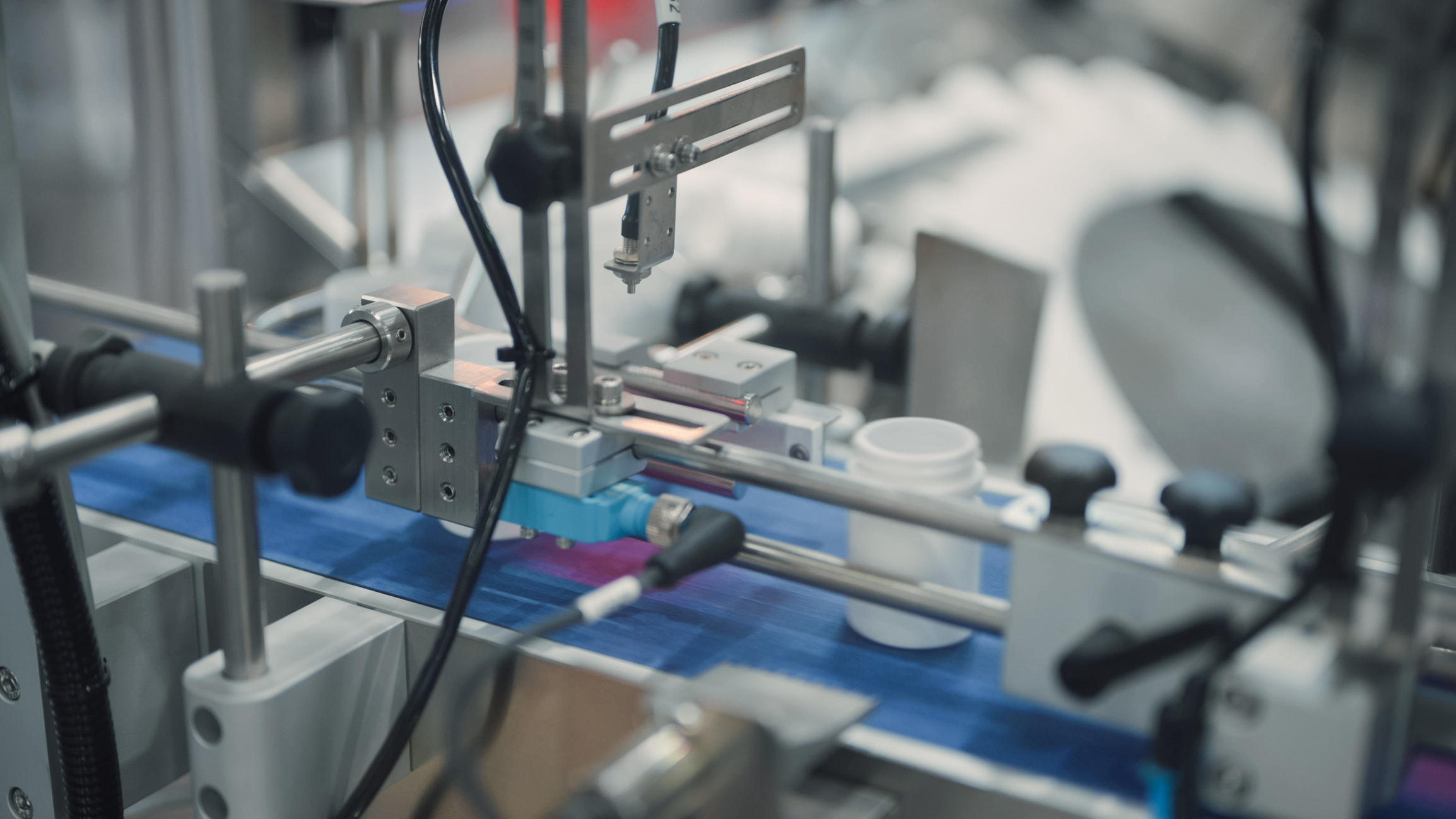
Product Orientation Machines: Improving Feeding Accuracy
In modern automated manufacturing, precision matters. Every component moving through a production line must arrive at the right place, in the correct orientation, and at the proper time. Even a small misalignment can lead to production delays, quality issues, equipment jams, and increased operating costs.
This is where product orientation machines play a critical role.
Product orientation machines are designed to consistently align and position parts before they enter downstream assembly, inspection, packaging, or processing equipment. By ensuring that each component is correctly oriented, manufacturers can significantly improve feeding accuracy, increase throughput, and reduce costly downtime.
What Are Product Orientation Machines?
A product orientation machine is a system that automatically aligns parts into a specific position before they are transferred to the next stage of production.
Parts often enter a feeding system in random orientations. Without proper orientation, automated equipment may struggle to grip, assemble, inspect, or package components accurately. Orientation machines eliminate this variability by presenting parts in a predictable, repeatable position.
These systems are commonly integrated with:
- Vibratory bowl feeders
- Flexible feeding systems
- Conveyor systems
- Robotic pick-and-place applications
- Vision inspection systems
- Packaging machinery
The result is a streamlined production process with fewer interruptions and greater consistency.
Why Feeding Accuracy Matters
Feeding accuracy directly impacts manufacturing performance. When parts arrive incorrectly positioned, several issues can occur:
- Production stoppages
- Equipment jams
- Increased scrap rates
- Assembly errors
- Longer cycle times
- Higher labor costs
As manufacturers continue to automate operations, feeding accuracy becomes increasingly important. Robots, vision systems, and automated assembly equipment depend on predictable part presentation to achieve maximum efficiency.
A properly designed orientation system ensures that parts are consistently delivered exactly as downstream equipment expects them.
How Product Orientation Machines Work
Orientation systems use various mechanical, vibratory, pneumatic, and vision-based technologies to align components.
The specific method depends on factors such as:
- Part geometry
- Material characteristics
- Production speed requirements
- Environmental conditions
- Required accuracy levels
Common orientation techniques include:
Mechanical Orientation Features
Many systems use specially designed tooling, tracks, or guide rails that physically reject improperly positioned parts while allowing correctly oriented components to pass through.
This method is highly effective for parts with distinct geometric features.
Vibratory Orientation Systems
Vibratory feeders often incorporate orientation tooling directly into the feeder track. As parts travel through the system, incorrect orientations are identified and redirected back into the bowl for recirculation.
This approach provides continuous orientation with minimal operator intervention.
Vision-Guided Orientation
For complex or delicate components, machine vision systems can identify part orientation in real time.
Robots or automated handling equipment then reposition components as needed before assembly or packaging.
Vision-guided orientation is particularly valuable when parts have multiple acceptable positions or highly complex geometries.
Flexible Feeding Technology
Modern flexible feeding systems combine vision technology, intelligent controls, and robotic handling to orient a wide variety of parts without extensive mechanical tooling changes.
This approach is ideal for manufacturers managing multiple product variations or frequent changeovers.
Key Benefits of Product Orientation Machines
Improved Feeding Accuracy
The primary benefit is ensuring that parts arrive at downstream equipment in the correct position every time.
Consistent orientation reduces variability and improves overall process reliability.
Reduced Downtime
Misoriented parts are a common cause of machine stoppages and jams.
By eliminating orientation errors, manufacturers can significantly reduce unplanned downtime and maintain higher production rates.
Increased Throughput
When parts flow smoothly through the production line, cycle times improve and throughput increases.
Operators spend less time clearing jams or correcting feeding issues, allowing equipment to operate at peak efficiency.
Enhanced Product Quality
Accurate orientation helps ensure that assembly, inspection, and packaging processes are performed correctly.
This reduces defects, minimizes rework, and supports consistent product quality.
Lower Labor Requirements
Manual sorting and positioning are labor-intensive and prone to human error.
Automated orientation systems reduce the need for manual intervention while improving consistency and productivity.
Greater Equipment Reliability
Downstream automation equipment performs best when supplied with correctly positioned parts.
Orientation machines help protect machinery from unnecessary wear caused by misfeeds and repeated stoppages.
Industries That Benefit from Product Orientation Machines
Product orientation technology is widely used across numerous industries.
Automotive Manufacturing
Automotive assembly operations rely on precise orientation of fasteners, clips, connectors, and other components.
Accurate feeding helps maintain production speed while supporting strict quality standards.
Medical Device Manufacturing
Medical products often require extremely precise handling and assembly.
Orientation systems help ensure compliance with regulatory requirements while minimizing contamination risks.
Electronics Manufacturing
Electronic components frequently have unique geometries that require exact positioning before assembly.
Orientation machines help support high-speed production and precise robotic placement.
Consumer Goods
Packaging lines benefit from correctly oriented products entering filling, labeling, sealing, and inspection equipment.
Orientation systems improve packaging consistency and reduce rejects.
Aerospace Manufacturing
Complex aerospace components require accurate positioning to support assembly precision and quality assurance processes.
Choosing the Right Product Orientation Solution
Selecting the right orientation machine requires careful evaluation of production requirements.
Important considerations include:
Part Characteristics
Understanding part shape, size, weight, and material properties is critical when designing an orientation solution.
Production Speed
Higher throughput requirements may demand specialized orientation mechanisms or advanced automation technologies.
Flexibility Needs
Manufacturers producing multiple product variants may benefit from flexible feeding systems that accommodate frequent changeovers.
Integration Requirements
Orientation systems should seamlessly integrate with existing feeding, assembly, inspection, and packaging equipment.
Future Scalability
A well-designed solution should support future production growth and evolving manufacturing requirements.
The Future of Product Orientation Technology
Advancements in robotics, machine vision, artificial intelligence, and flexible automation are transforming product orientation capabilities.
Modern systems are becoming increasingly adaptable, allowing manufacturers to process a broader range of components with less custom tooling. Smart orientation solutions can automatically detect variations, adjust positioning strategies, and communicate with other equipment throughout the production line.
As manufacturing continues moving toward Industry 4.0 and smart factory initiatives, product orientation machines will remain a critical component of efficient automated production systems.
Conclusion
Product orientation machines play a vital role in improving feeding accuracy and overall manufacturing efficiency. By ensuring that parts arrive correctly positioned for downstream operations, these systems help reduce downtime, increase throughput, improve product quality, and lower operating costs.
Whether integrated with vibratory bowl feeders, flexible feeding systems, robotic cells, or vision-guided automation, orientation technology provides manufacturers with the reliability and consistency needed to remain competitive in today’s demanding production environment.
For organizations looking to maximize automation performance, investing in a properly engineered product orientation solution is one of the most effective ways to improve feeding accuracy and production reliability.