
Automatic Bar Feeders in Modern Manufacturing
Manufacturers are under constant pressure to increase output, reduce labor dependency, improve consistency, and minimize machine downtime. In CNC machining environments, one of the most effective ways to achieve these goals is through automation at the point of material handling. Automatic bar feeders have become a critical component in modern machining operations because they streamline the delivery of raw material into CNC lathes and turning centers with minimal operator involvement.
As production demands continue to rise and labor shortages remain a challenge across the manufacturing sector, automatic bar feeders are helping machine shops and OEMs maintain productivity while improving operational efficiency. Whether used in high-volume production facilities or precision machining environments, these systems support faster cycle times, reduced setup interruptions, and extended unattended operation.
In this article, we’ll explore what automatic bar feeders are, how they work, their benefits, and why they play such an important role in modern manufacturing automation.
What Are Automatic Bar Feeders?
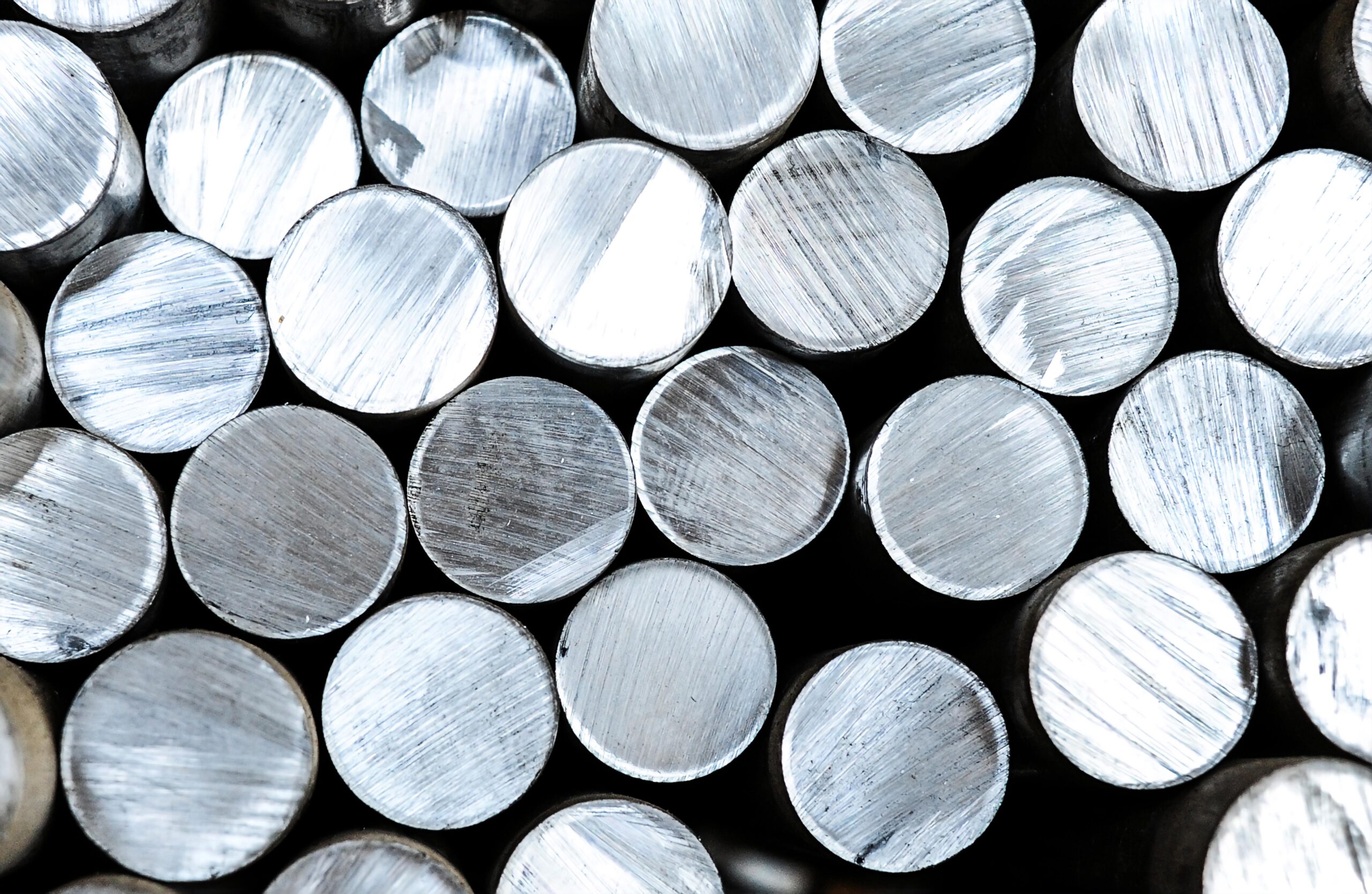
Automatic bar feeders are material handling systems designed to feed metal bar stock into CNC lathes and turning machines automatically. Rather than requiring an operator to manually load each bar into the machine, the feeder continuously advances new material into the spindle as needed.
These systems are commonly used in industries such as:
- Automotive manufacturing
- Aerospace machining
- Medical device production
- Electronics manufacturing
- Fastener and hardware production
- General precision machining
Automatic bar feeders can handle a wide range of materials including steel, aluminum, brass, stainless steel, titanium, and specialty alloys. They are available in multiple configurations to support different bar diameters, lengths, machine capacities, and production requirements.
By automating the loading process, manufacturers can dramatically improve spindle utilization and reduce non-cutting downtime.
How Automatic Bar Feeders Work
At a basic level, an automatic bar feeder stores multiple bars of raw material and feeds them one at a time into a CNC machine. Once a bar is depleted, the feeder automatically advances the next bar into position.
The process generally follows these steps:
- Bar stock is loaded into the feeder magazine.
- The feeder aligns the bar with the spindle.
- The system pushes the material into the CNC machine during operation.
- As machining progresses, the feeder continuously advances the bar.
- When the bar is fully consumed, the next bar automatically loads.
Modern bar feeders use servo-driven controls, sensors, and synchronization technology to ensure accurate material positioning and smooth feeding performance.
Many systems also integrate directly with CNC controls to coordinate spindle speed, feed rate, and material advancement. This synchronization helps reduce vibration, maintain precision, and improve machining consistency.
Key Benefits of Automatic Bar Feeders
Increased Productivity
One of the biggest advantages of automatic bar feeders is their ability to maximize machine uptime.
Manual loading requires operators to stop production repeatedly to load new material. Automatic feeders eliminate much of this interruption by continuously supplying bar stock to the machine.
This leads to:
- Higher spindle utilization
- Longer unattended run times
- Faster throughput
- Increased daily production capacity
In many operations, automatic bar feeders enable lights-out manufacturing, allowing CNC machines to continue running during breaks, overnight shifts, or low-supervision periods.
Reduced Labor Dependency
Manufacturing labor shortages continue to impact machining operations worldwide. Skilled machinists are increasingly difficult to find, and companies are seeking ways to automate repetitive tasks.
Automatic bar feeders reduce the need for constant operator involvement in material handling. Instead of spending time manually loading stock, operators can focus on:
- Machine setup
- Quality control
- Process optimization
- Maintenance
- Programming
This improves labor efficiency while allowing manufacturers to get more value from their skilled workforce.
Improved Consistency and Accuracy
Manual material loading introduces variability into the machining process. Misalignment, inconsistent loading pressure, or improper positioning can affect part quality.
Automatic bar feeders improve consistency by ensuring:
- Precise bar alignment
- Controlled feeding speed
- Repeatable positioning
- Stable material support
Advanced systems also minimize vibration during high-speed turning operations, helping improve surface finishes and dimensional accuracy.
For manufacturers producing precision components, consistency is essential for maintaining quality standards and reducing scrap rates.
Enhanced Machine Utilization
CNC machines represent a major capital investment. Every minute spent idle reduces return on investment.
Automatic bar feeders help manufacturers maximize the value of their equipment by reducing non-productive time associated with material loading.
Instead of stopping the machine after every completed bar, production continues automatically. This increases overall equipment effectiveness (OEE) and allows manufacturers to produce more parts without adding additional machines.
Support for Lights-Out Manufacturing
Lights-out manufacturing refers to fully automated production environments that can operate with minimal or no human supervision.
Automatic bar feeders are a foundational technology for this type of manufacturing because they ensure a continuous supply of raw material during unattended operation.
When paired with:
- CNC automation
- Robotic part handling
- Vision systems
- Automated inspection
- Conveyor systems
bar feeders help create highly efficient machining cells capable of extended autonomous operation.
This capability is becoming increasingly important as manufacturers seek ways to increase output without dramatically increasing labor costs.
Types of Automatic Bar Feeders
Different machining applications require different feeder configurations. Some of the most common types include:
Magazine Bar Feeders
Magazine feeders store multiple bars in a loading rack or magazine. These systems automatically advance new bars as previous ones are consumed.
They are commonly used for:
- High-volume production
- Long unattended runs
- Multi-shift operation
Short Bar Feeders
Short bar feeders are designed for compact machining environments and shorter material lengths.
Advantages include:
- Reduced floor space requirements
- Faster setup changes
- Lower material costs
- Easier handling
These systems are popular in shops with limited space or frequent part changeovers.
Hydrostatic Bar Feeders
Hydrostatic feeders use oil-filled support channels to reduce vibration during high-speed machining.
These systems are ideal for:
- Precision turning
- Small diameter stock
- High-speed applications
- Tight tolerance machining
By minimizing bar whip and vibration, hydrostatic feeders improve surface finish quality and extend tool life.
Automatic Bar Feeders and Industry 4.0
As manufacturing continues to evolve toward smart factories and connected automation systems, automatic bar feeders are becoming increasingly integrated into Industry 4.0 environments.
Modern feeders often include:
- Digital control interfaces
- Machine connectivity
- Production monitoring
- Alarm notifications
- Diagnostic systems
- Data tracking capabilities
These features allow manufacturers to monitor performance, reduce downtime, and optimize machining operations using real-time production data.
Predictive maintenance capabilities can also help identify wear issues before they cause machine stoppages.
Choosing the Right Automatic Bar Feeder
Selecting the right bar feeder depends on several operational factors.
Manufacturers should evaluate:
Material Type
Different materials behave differently during feeding and machining. The feeder must support the specific material characteristics and diameters required.
Bar Diameter and Length
Feeder capacity must match the dimensions of the stock being used.
Production Volume
High-volume operations may require large-capacity magazine systems, while smaller shops may benefit from compact feeders.
Machine Compatibility
The feeder must integrate properly with the CNC lathe or turning center.
Automation Goals
Manufacturers pursuing lights-out production or advanced automation should prioritize feeders with connectivity and monitoring capabilities.
Working with an experienced automation partner can help ensure the selected system aligns with both current and future production requirements.
The Future of Automated Material Feeding
Automation will continue to play a major role in the future of machining and manufacturing.
As CNC systems become more intelligent and factories adopt higher levels of automation, automatic bar feeders will remain essential for maximizing efficiency and machine performance.
Future advancements may include:
- AI-driven production optimization
- Advanced sensor technology
- Improved machine communication
- Enhanced predictive maintenance
- Greater flexibility for mixed production runs
Manufacturers that invest in automated feeding solutions today are positioning themselves for long-term competitiveness in increasingly demanding markets.
Why Feedall Supports Manufacturing Automation
At Feedall, we understand that efficient material handling is critical to modern manufacturing success. Automated feeding solutions help manufacturers reduce downtime, improve consistency, and increase production efficiency across a wide range of machining applications.
From automated feeding systems to integrated automation solutions, Feedall supports manufacturers looking to improve throughput and streamline production workflows.
As manufacturing continues evolving toward smarter and more connected operations, reliable automation technologies like automatic bar feeders will remain a key part of efficient production strategies.
Final Thoughts
Automatic bar feeders have become an essential technology in modern CNC machining environments. By automating the delivery of raw material into turning centers and lathes, these systems help manufacturers increase productivity, reduce labor dependency, improve quality, and support lights-out manufacturing.
Whether used in high-volume production or precision machining applications, automatic bar feeders provide measurable improvements in machine utilization and operational efficiency.
As manufacturing automation continues advancing, companies that adopt intelligent material handling solutions will be better positioned to remain competitive, scalable, and efficient in the years ahead.