
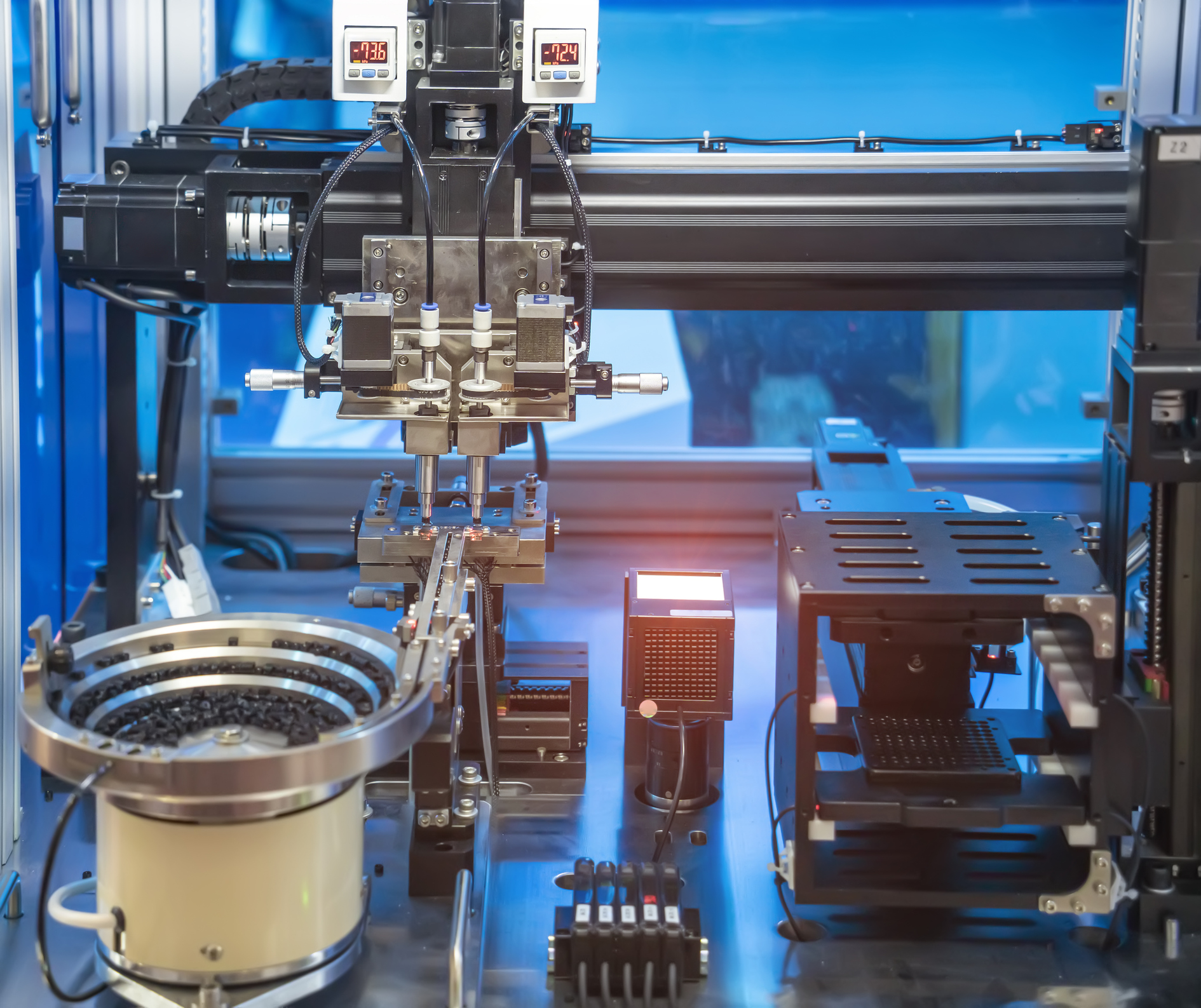
Bowl Feeders: Complete Guide to Industrial Applications
In today’s fast-paced manufacturing world, automation is essential for maintaining efficiency, accuracy, and productivity. One of the most important components in automated assembly and packaging systems is the bowl feeder. These systems are designed to sort, orient, and feed parts consistently into production lines, helping manufacturers reduce labor costs while increasing throughput.
From automotive assembly to medical device manufacturing, bowl feeders have become a critical technology across countless industries. In this guide, we’ll explain how bowl feeders work, the different types available, their industrial applications, and what manufacturers should consider when selecting a system.
What Is a Bowl Feeder?
A bowl feeder is an automated feeding device that uses vibration to move and orient parts into a specific position for downstream manufacturing equipment. Bowl feeders are commonly integrated with assembly machines, robotic systems, packaging lines, and inspection equipment.
The system typically consists of:
- A vibratory bowl
- A base drive unit
- Tooling and track systems
- Sensors and controls
As parts vibrate inside the bowl, they travel upward along a spiral track where tooling mechanisms sort and orient them into the correct position before discharge.
How Bowl Feeders Work
The operating principle behind bowl feeders is relatively simple yet highly effective.
- Bulk parts are loaded into the bowl.
- A vibratory drive creates controlled movement.
- Parts move upward along the bowl track.
- Tooling eliminates incorrectly oriented parts.
- Correctly positioned parts exit the feeder for automated handling.
The vibration frequency and amplitude can be adjusted depending on the material, size, shape, and weight of the components being fed.
Common Types of Bowl Feeders
Different applications require different bowl feeder technologies. Here are the most common types used in industrial automation.
Vibratory Bowl Feeders
These are the most widely used bowl feeders in manufacturing. They use electromagnetic vibration to move and orient parts efficiently.
Common industries include:
- Automotive
- Electronics
- Consumer goods
- Packaging
Centrifugal Bowl Feeders
Centrifugal feeders use rotating motion rather than vibration. They are ideal for high-speed applications and delicate parts.
Advantages include:
- Lower noise levels
- Reduced part damage
- Higher feed rates
Flexible Feeding Systems
Modern flexible feeding systems combine robotics, vision systems, and programmable automation to handle multiple part types with minimal changeover.
These systems are growing in popularity for:
- Medical manufacturing
- Electronics assembly
- Small-batch production
Industrial Applications of Bowl Feeders
Bowl feeders are used across nearly every manufacturing sector where consistent part orientation is required.
Automotive Industry
Automotive manufacturers rely heavily on bowl feeders for:
- Fasteners
- Clips
- Bearings
- Electrical connectors
- O-rings
Automated feeding systems help maintain production speed while improving assembly precision.
Medical Device Manufacturing
Medical applications require extremely high accuracy and cleanliness standards. Bowl feeders help orient:
- Syringes
- Caps
- Surgical components
- Plastic molded parts
Stainless steel bowl feeders are commonly used in cleanroom environments.
Electronics Manufacturing
Electronics assembly demands precise handling of small, lightweight parts such as:
- Connectors
- Pins
- Switches
- Circuit components
Custom tooling allows accurate orientation without damaging sensitive parts.
Packaging and Consumer Products
Packaging systems often use bowl feeders for:
- Bottle caps
- Closures
- Cosmetic components
- Household product parts
Reliable feeding helps improve packaging line efficiency and reduce downtime.
Benefits of Using Bowl Feeders
Manufacturers invest in bowl feeder systems because they offer several major advantages.
Increased Productivity
Automated feeding eliminates manual part handling and significantly improves production speed.
Consistent Part Orientation
Proper orientation reduces assembly errors and improves downstream automation accuracy.
Reduced Labor Costs
Bowl feeders reduce the need for manual sorting and placement operations.
Improved Quality Control
Automation helps ensure repeatable processes and minimizes human error.
Integration with Automation Systems
Modern bowl feeders can integrate seamlessly with:
- Robotics
- Vision inspection systems
- PLC controls
- Conveyor systems
Factors to Consider When Selecting a Bowl Feeder
Choosing the right bowl feeder depends on several application-specific factors.
Part Size and Geometry
Complex or delicate components may require custom tooling or specialized feeder designs.
Production Speed Requirements
High-speed assembly lines may benefit from centrifugal feeding technology.
Material Type
Metal, plastic, rubber, and lightweight components all behave differently under vibration.
Noise Requirements
Some facilities prioritize quieter systems for operator comfort and compliance.
Changeover Flexibility
Manufacturers producing multiple part types may benefit from flexible feeding solutions.
Top Bowl Feeder Companies in the Industry
Several manufacturers are recognized for producing high-quality bowl feeder systems and automated feeding solutions. Some of the most respected names include:
- Service Engineering
- Fortville Feeders
- RNA Automation
- Hoosier Feeder Company
- Performance Feeders
- Vibromatic
- Automation Devices Inc. (ADI)
- Afag Automation
These companies provide custom feeding solutions for a wide range of industrial applications and production environments.
Future Trends in Bowl Feeding Technology
The future of bowl feeders is being shaped by advances in automation and smart manufacturing.
Emerging trends include:
- AI-driven inspection systems
- Vision-guided flexible feeding
- Industry 4.0 connectivity
- Predictive maintenance
- Servo-driven feeding systems
Manufacturers are increasingly looking for adaptable automation solutions that support faster product changeovers and greater production flexibility.
What is a bowl feeder used for?
A bowl feeder is used to automatically sort, orient, and feed parts into manufacturing and assembly systems.
How does a vibratory bowl feeder work?
A vibratory bowl feeder uses controlled vibration to move parts along a spiral track where tooling orients components into the correct position.
What industries use bowl feeders?
Industries including automotive, medical devices, electronics, packaging, and consumer products commonly use bowl feeders.
What is the difference between vibratory and centrifugal bowl feeders?
Vibratory feeders use electromagnetic vibration, while centrifugal feeders use rotational motion for higher-speed and quieter operation.
Can bowl feeders integrate with robotics?
Yes. Modern bowl feeders integrate with robotics, PLC systems, vision inspection systems, and conveyors for complete automation.
Conclusion
Bowl feeders play a critical role in modern industrial automation by improving efficiency, accuracy, and consistency across manufacturing operations. From automotive assembly lines to medical device production, these systems help manufacturers streamline operations while reducing labor costs and downtime.
As automation technology continues to evolve, bowl feeders will remain a foundational component of high-performance manufacturing systems.