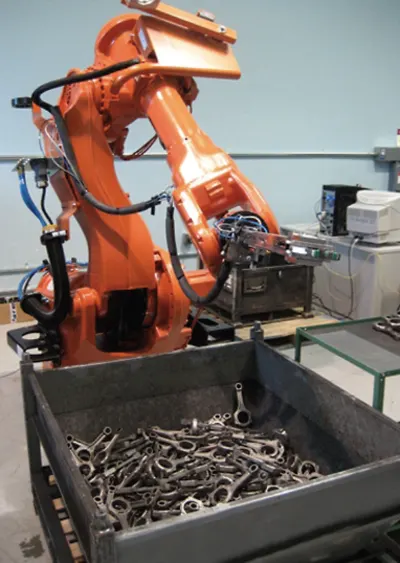
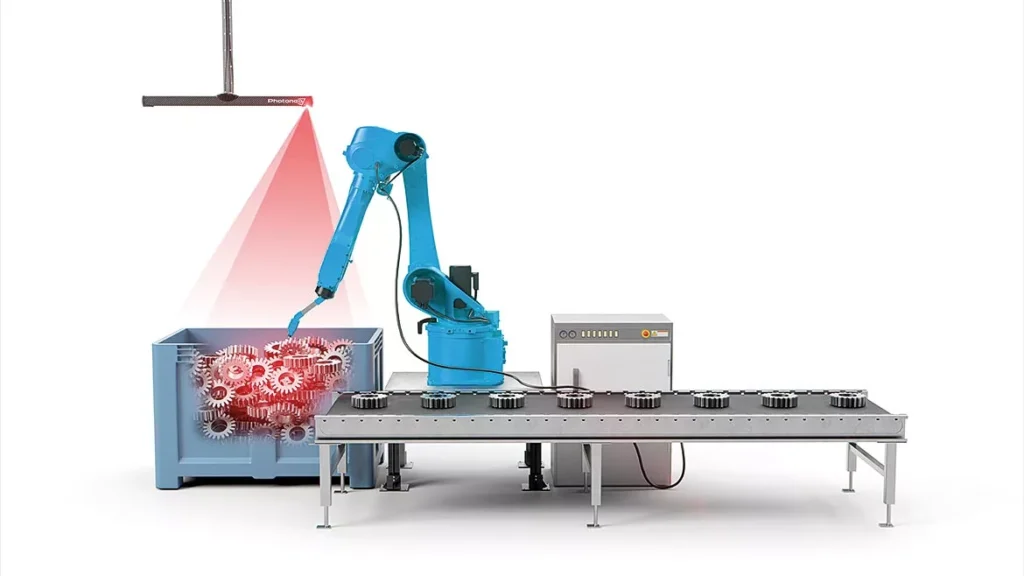
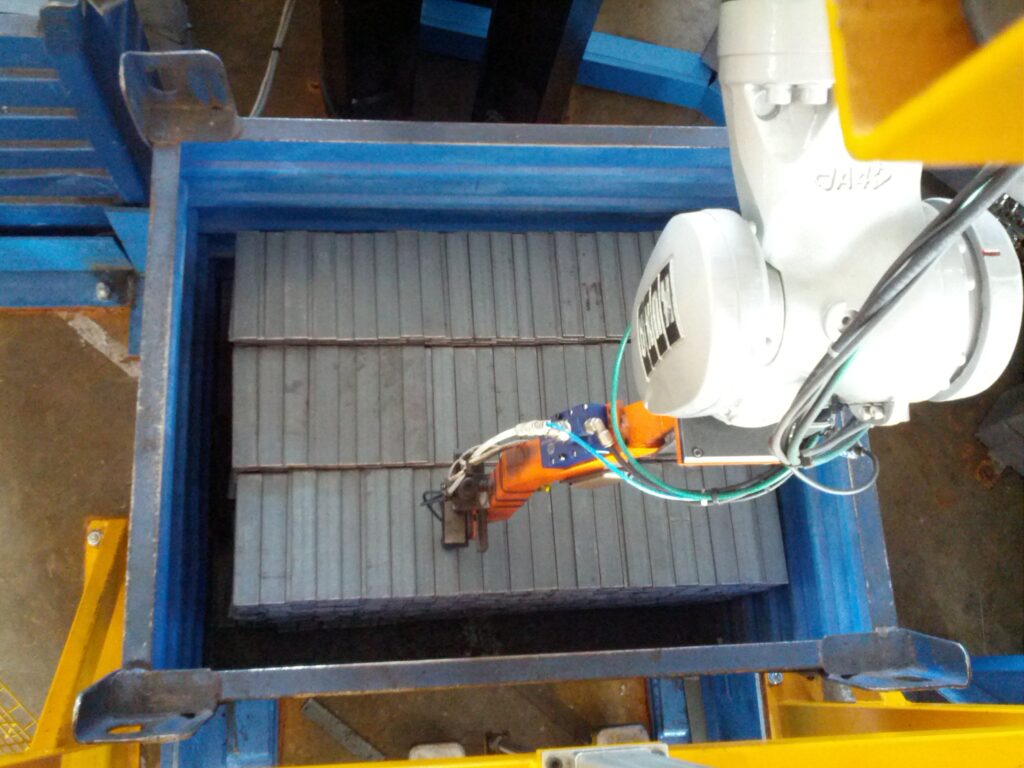
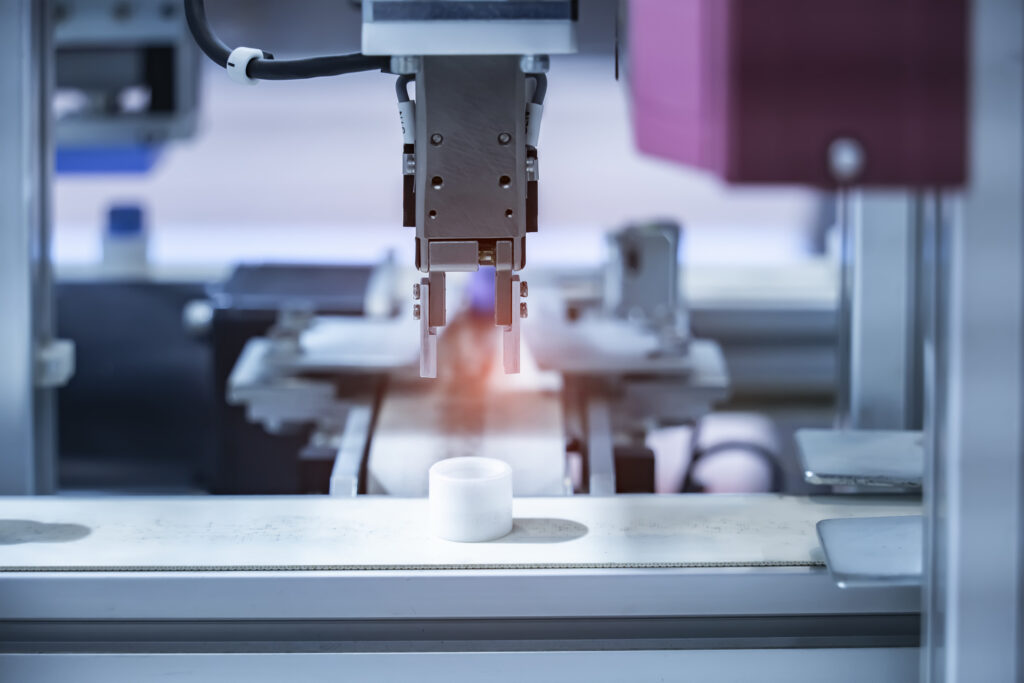
Robotic part feeding is transforming modern manufacturing by enabling flexible automation cells that adapt to changing production needs. Learn how integrating robots, vision systems, and flexible feeders can reduce downtime, improve efficiency, and handle multiple part types with ease.
Read MoreBowl Feeder vs Flexible Feeder: Which Is Better for Modern Automation?
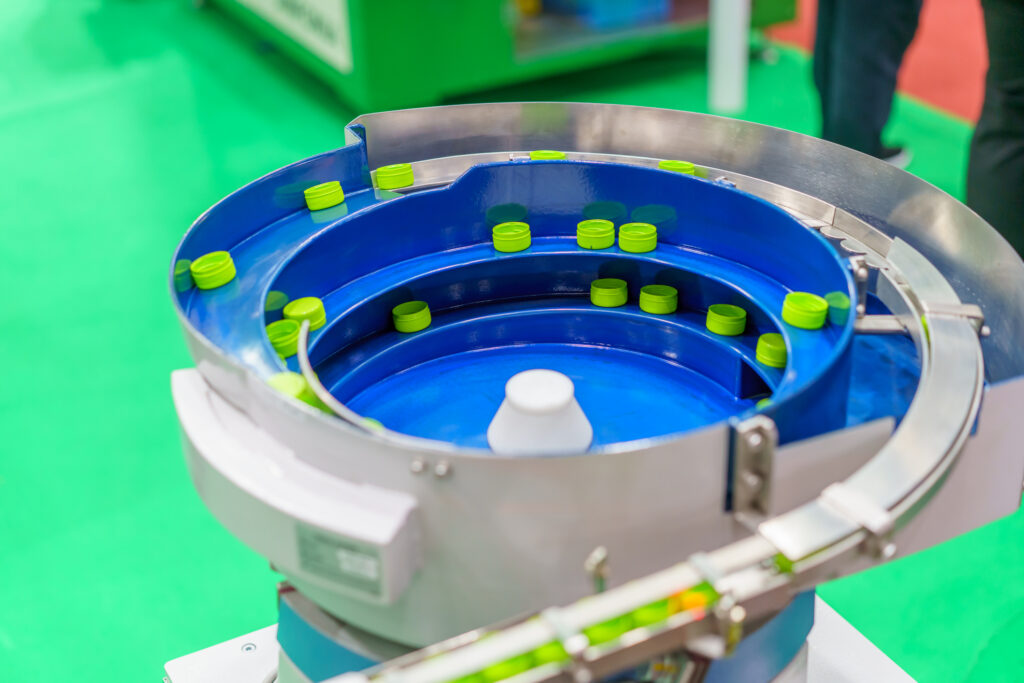
Choosing between a bowl feeder and a flexible feeder can make or break your automation efficiency. This guide breaks down the key differences, pros, and use cases to help you decide which system is best for your production needs.
Read MoreVibratory Feeding Systems: How They Work and Why They Matter in Automation
Vibratory feeding systems are essential for efficient automated manufacturing. Learn how they work, their key components, and how they improve throughput, consistency, and reliability on production lines.
Read MoreFlex Feeding Explained: Flexible Feeder Systems for Smarter Automation
Flex feeding explained: discover how flexible feeder systems improve automation efficiency, reduce changeovers, and future-proof your production.
Read MoreFlexible Assembly Systems: Vision-Guided Robotics for Modern Automation
As manufacturing continues to evolve toward high-mix, low-volume production, traditional rigid automation is quickly becoming a bottleneck. Companies need systems that can adapt, scale, and handle variation without constant retooling.
Read MoreFlexible Feeding vs Bowl Feeding: Which Is More Future-Proof for Automation?
Flexible feeding vs bowl feeding is one of the most important decisions manufacturers face when designing modern automation systems.
Read MoreFlexible Feeding Systems: The Modern Standard for Robotic Automation
In today’s fast-moving manufacturing environment, flexibility is no longer optional—it is a competitive requirement. As product lifecycles shrink and customization increases, manufacturers are under pressure to adapt quickly without sacrificing efficiency or precision. This is where the flexible feeding system has emerged as a game-changing solution.
Read MorePart Feeders: Types, Benefits, and How to Choose the Right System
In today’s competitive manufacturing environment, efficiency is everything. Robotic systems, high-speed assembly lines, and automated inspection cells all depend on one critical component: part feeders.
Read MoreIndustrial Part Feeding Systems: Types, Applications, and Automation Strategy
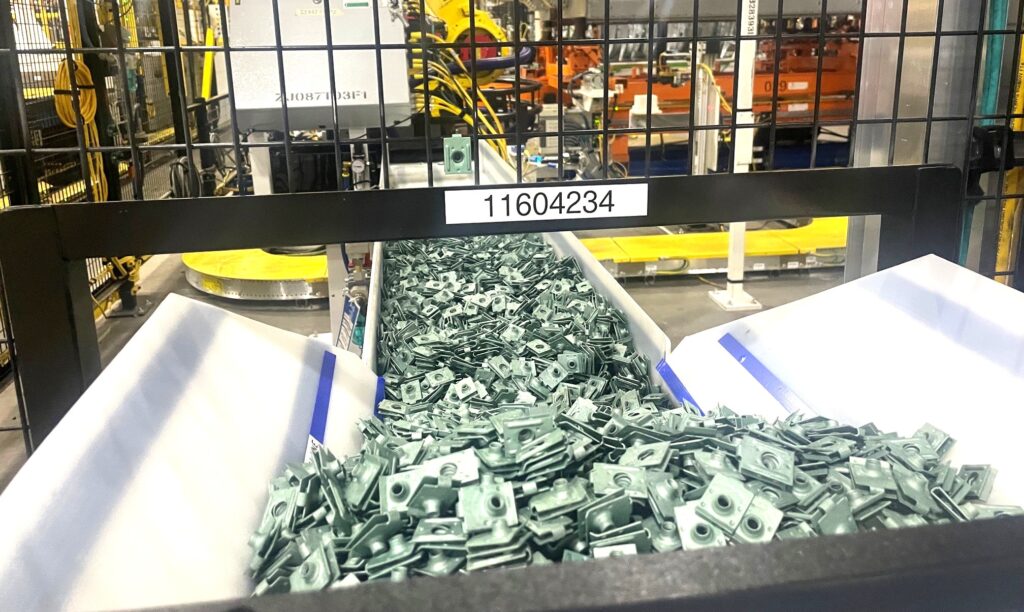
Industrial part feeding systems improve automation by delivering parts consistently. Learn feeder types, applications, and how to choose the right feeding strategy.
Read MoreEOAT: Turning Robots into Productive Manufacturing Assets
Robotic end effectors, also known as End-of-Arm Tooling (EOAT), are what allow robots to grip, move, assemble, inspect, and process parts reliably and efficiently.
Read MoreCNC Machine Tending Requires Feeding Automation for Maximum Impact
CNC machine tending has become instrumental for production facilities, but maximizing these robotic cells requires automated part feeding solutions.
Read MoreEye on the Future: Bin Picking Vision Systems
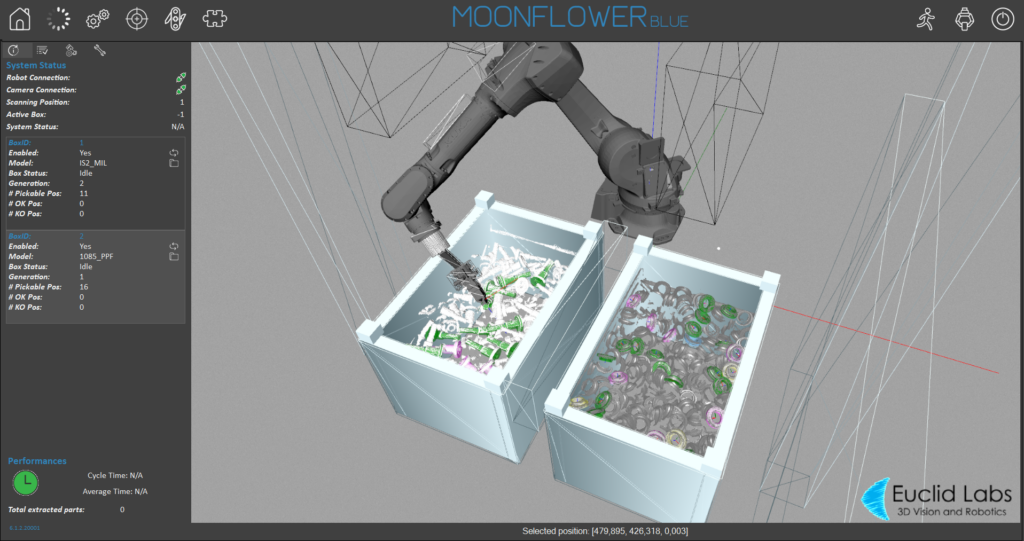
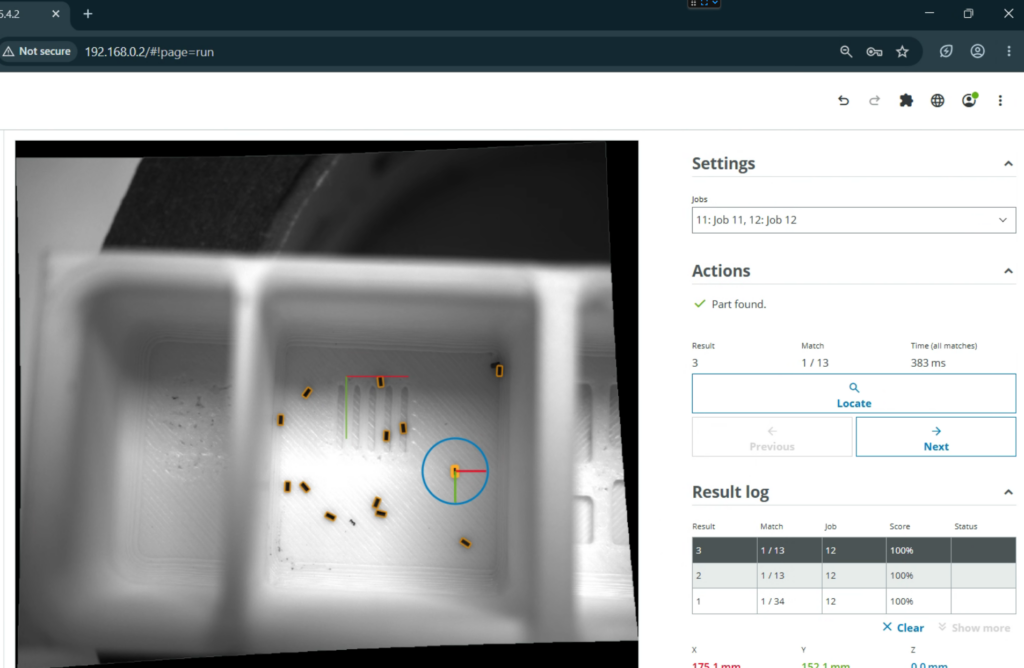
Feedall Automation remains committed to testing and validating bin picking vision systems to craft industrial automation solutions. Learn more here.
Read More